

Ijraset Journal For Research in Applied Science and Engineering Technology
Optimization of Concrete Mix Design: The Role of Hemp Fiber, Pumice Pozzolana and Micro Silica in Enhancing Strength and Workability
Authors: Mr. Deepak Kumar, Mr. Sourabh Lalotra
DOI Link: https://doi.org/10.22214/ijraset.2026.77488
Certificate: View Certificate
Abstract
This study explores the synergistic effects of hemp fibre, pumice pozzolana, and micro silica on Hemp Fiber Reinforced Concrete (HFRC) to enhance its mechanical properties and durability in harsh environments. The research aimed to assess the impact of hemp fibre on compressive, tensile, and flexural strength; evaluate the role of pumice pozzolana in improving concrete durability; and optimize the combined use of these materials for superior performance. For the mix design, a water–cement ratio of 0.42 was adopted. The main ingredients used in the concrete mix include coarse aggregate, fine aggregate, cement (OPC-53), Pumice pozzolana, Hemp fibre and micro silica. Tests were conducted to investigate adhesive properties, bond characteristics within the matrix, compressive strength, Tensile strength and flexural strength. For compressive strength testing, concrete cubes of dimensions 150 × 150 × 150 mm were cast. For flexural strength determination, concrete beams of size 700 × 150 × 150 mm were prepared. For split tensile strength testing, concrete cylinders measuring 300 mm in height and 150 mm in diameter were cast. A slump test was also carried out to determine the workability of the concrete mix. The specimens were tested at 7 and 28 days for compressive strength, flexural strength, and split tensile strength.
Introduction
Concrete is the most widely used construction material due to its strength, durability, and versatility. However, traditional concrete has limitations related to workability, mechanical strength, sustainability, and environmental impact. To address these issues, researchers have explored incorporating supplementary materials such as fibers, pozzolanic materials, and micro-sized additives. Among these, hemp fibers, pumice pozzolana, and micro silica have shown significant potential in improving mechanical performance, durability, and sustainability.
Literature Review Highlights
Research findings indicate:
-
Hemp fibers (1–2%) improve tensile and flexural strength, ductility, crack resistance, and impact resistance. However, workability decreases beyond 2% fiber content.
-
Shorter hemp fibers (10–15 mm) provide better dispersion and enhance compressive and flexural strength.
-
Hemp fibers improve durability by reducing shrinkage cracking and enhancing freeze–thaw resistance.
-
From a sustainability perspective, hemp is renewable and biodegradable, reducing the carbon footprint of concrete.
Materials Used
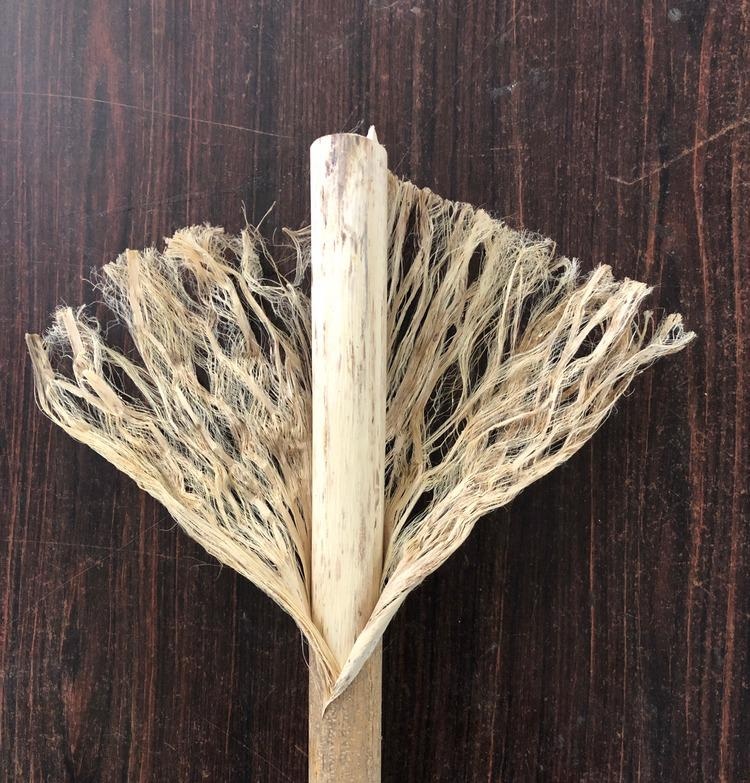
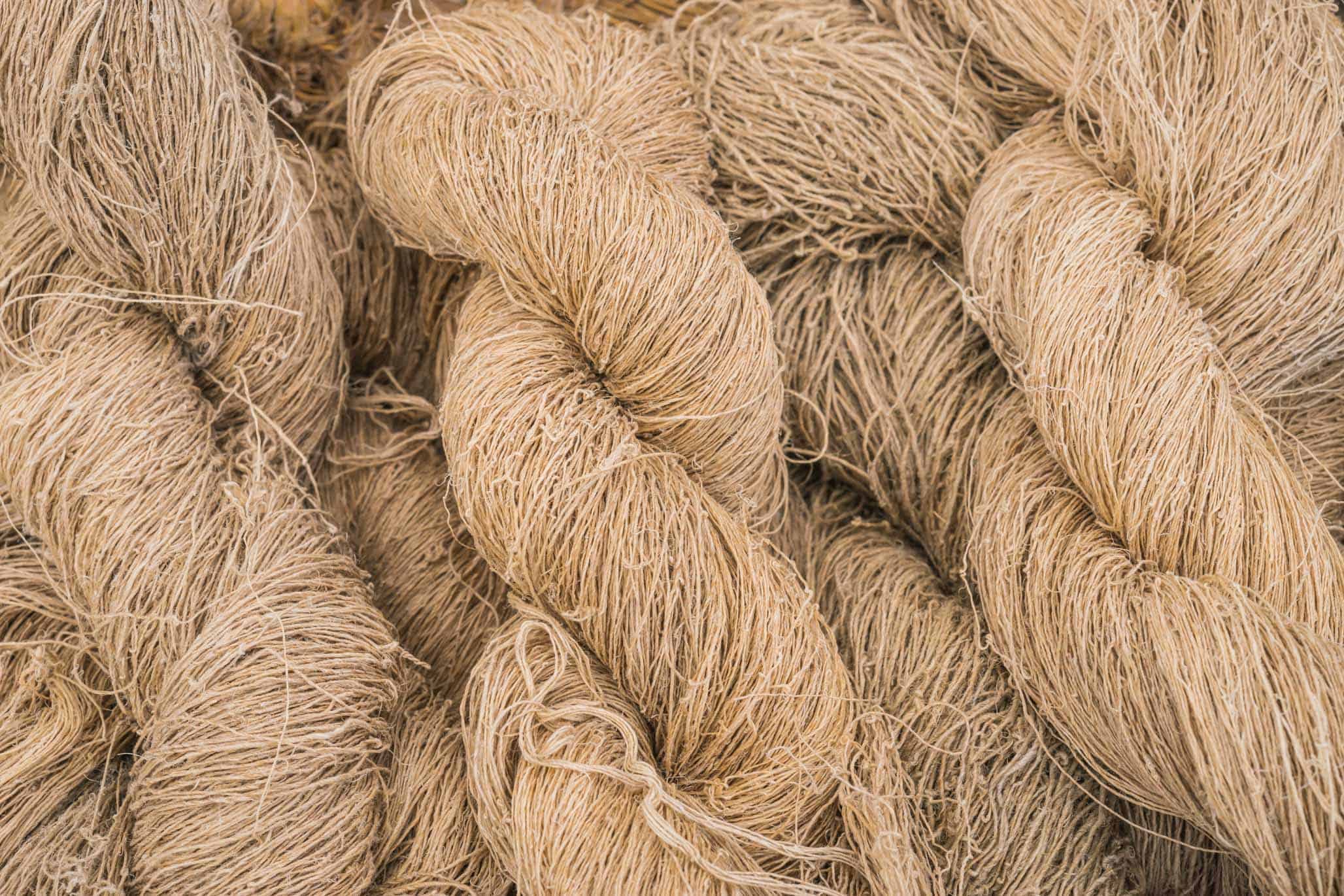
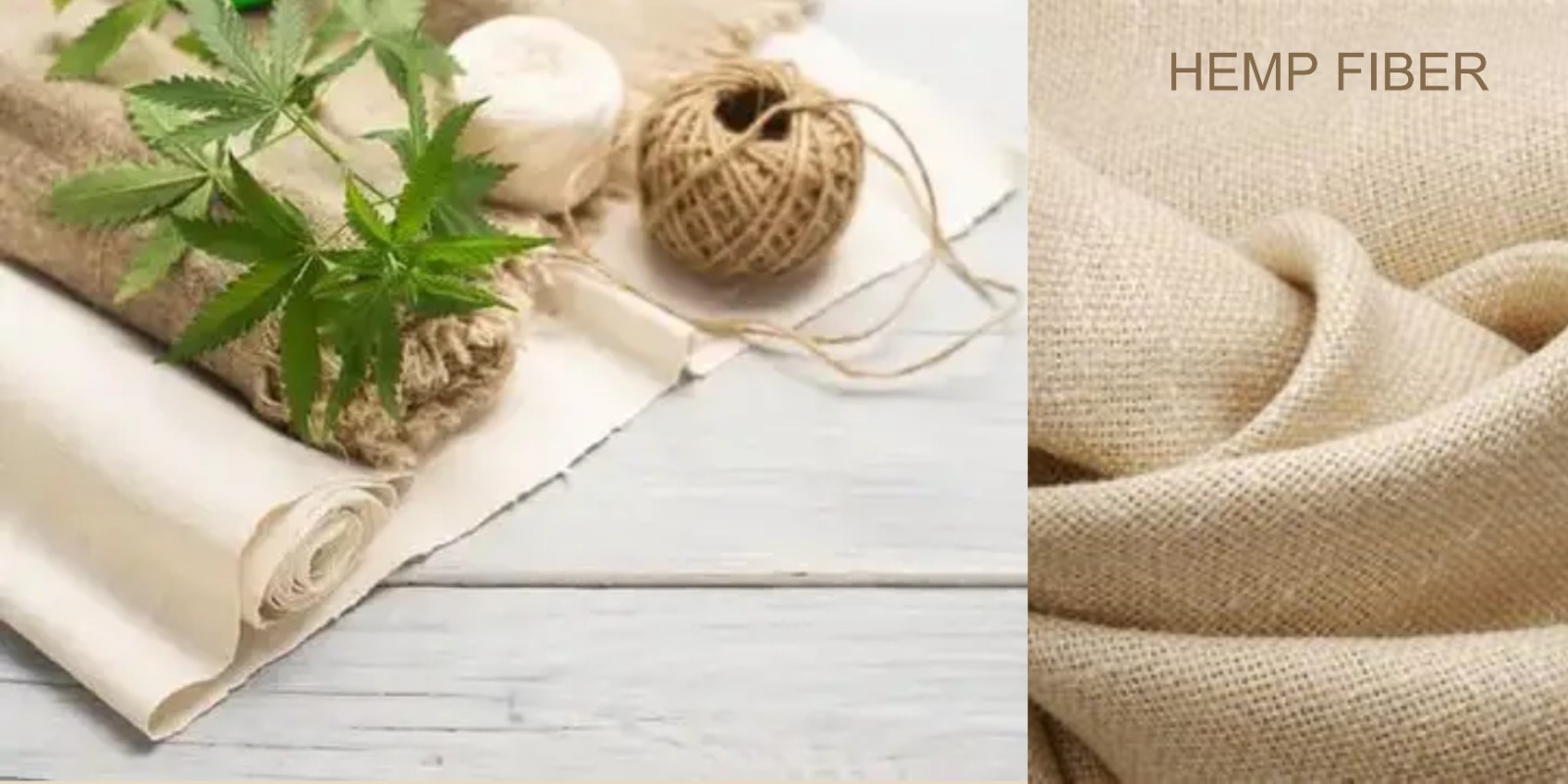
1?? Hemp Fiber
4
-
Natural fiber from Cannabis sativa
-
High strength-to-weight ratio
-
Improves tensile strength, flexural strength, ductility, and durability
-
Sustainable and biodegradable
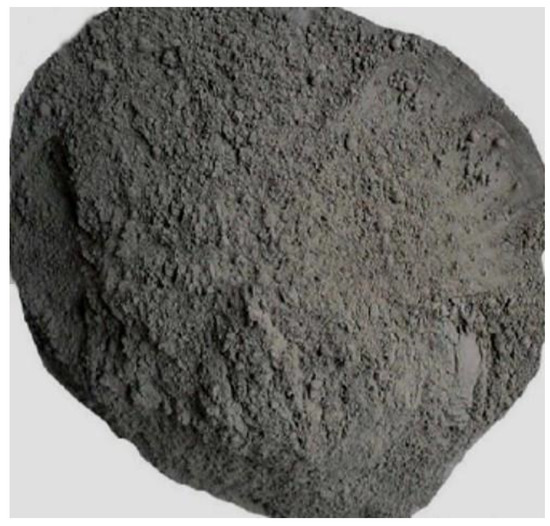
2?? Pumice Pozzolana


4
-
Volcanic ash with pozzolanic properties
-
Reacts with calcium hydroxide to form additional C-S-H gel
-
Enhances strength and durability
-
Reduces cement usage and environmental impact
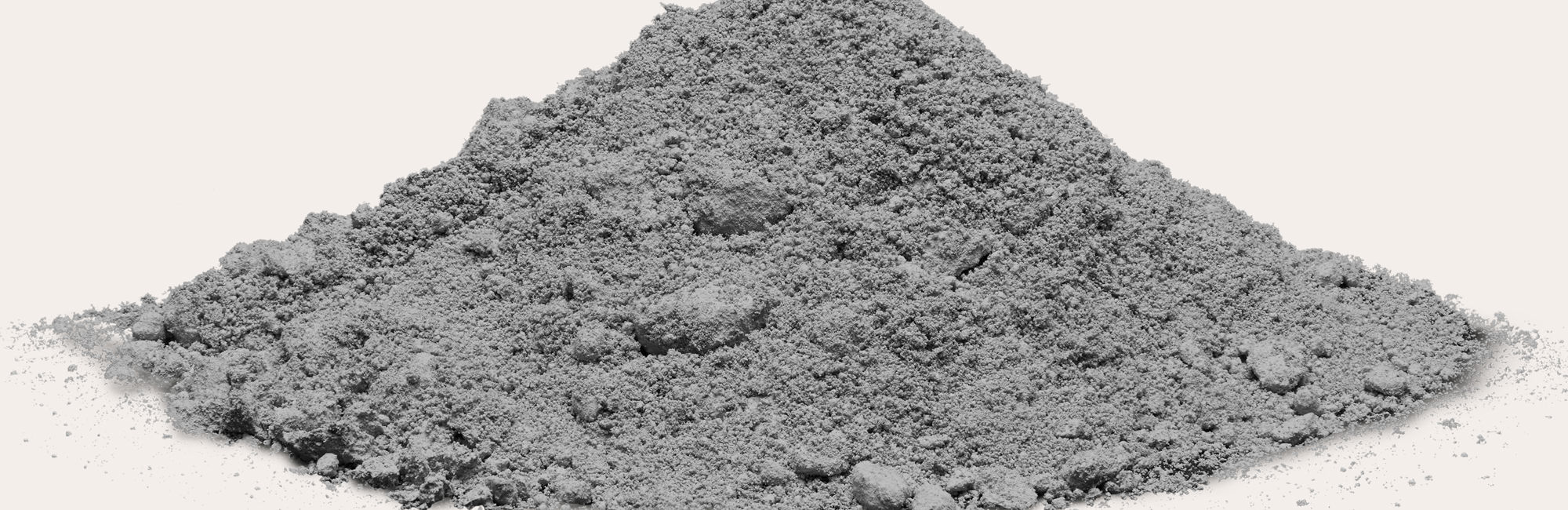
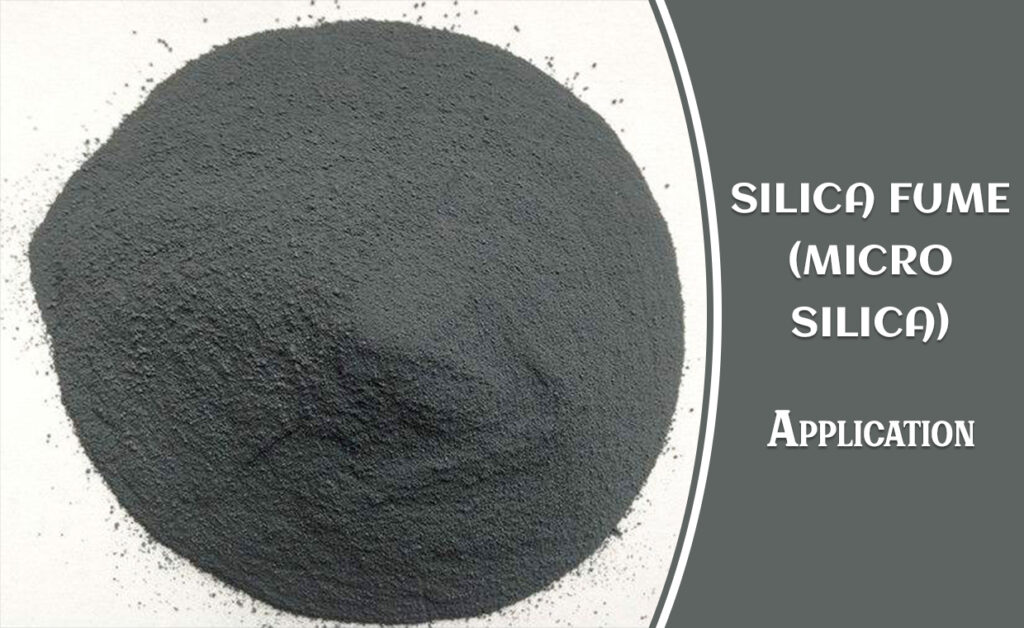
3?? Micro Silica (Silica Fume)

4
-
Byproduct of silicon metal production
-
Extremely fine and highly reactive
-
Improves compressive strength and durability
-
Reduces permeability
4?? Conventional Materials
-
Ordinary Portland Cement (OPC 53 Grade) – Provides required strength and setting properties
-
Coarse Aggregate – High crushing strength, low water absorption (<2%), good durability
-
Fine Aggregate – Well-graded sand with proper fineness modulus (2.3–3.2), low clay and silt content
Mix Proportions
Five mixes were prepared:
-
M0 – Control mix (no replacement)
-
M1 – 12% PP, 5% MS, 0.5% HF
-
M2 – 16% PP, 5% MS, 1% HF
-
M3 – 18% PP, 6% MS, 1.5% HF
-
M4 – 20% PP, 5.5% MS, 2% HF
(PP = Pumice Pozzolana, MS = Micro Silica, HF = Hemp Fiber)
Testing Procedures
The following tests were conducted:
-
Slump Test (Workability)
-
Compressive Strength Test (7, 14, 28 days)
-
Tensile Strength Test
-
Flexural Strength Test
Results Summary
???? Workability
-
Slump values decreased as PP, MS, and HF content increased.
-
Higher fiber and pozzolanic content reduced flowability due to increased surface area and water demand.
???? Compressive Strength
-
Strength increased progressively up to an optimum mix (typically around M2/M3).
-
Improvement attributed to pozzolanic reaction and micro-filling effect of silica fume.
???? Tensile Strength
-
Significant improvement compared to control mix.
-
Hemp fibers enhanced crack resistance and energy absorption capacity.
???? Flexural Strength
-
Improved due to fiber bridging effect.
-
Fibers prevented sudden brittle failure and enhanced ductility.
Conclusion
The results of this study demonstrate that the synergistic effect of Hemp Fiber, Pumice Pozzolana, and Micro silica significantly improves both the mechanical properties and durability of Hemp Fiber Reinforced Concrete (HFRC). The mechanical strength of HFRC was enhanced by the addition of Hemp Fiber, which improved tensile strength and flexural strength, making it suitable for structural applications. Pumice Pozzolana improved compressive strength and durability, reducing the permeability and increasing the chemical resistance of concrete. The combination of these materials with Micro silica further optimized the Fiber-matrix bonding, providing a more dense and stronger concrete mix.
References
[1] Beddar, M., Triki, E., & Khelafi, H. (2016). Durability of Hemp Fiber Reinforced Concrete in Aggressive Environments. Materials and Structures, 49(12), 5271-5283. [2] Boonstra, P., Johnson, R., & Michael, J. (2015). Thermal Insulation Properties of Hemp Fiber Reinforced Concrete. Energy and Buildings, 93, 145-153. [3] Bui, H., Kim, Y., & Hoang, M. (2017). Microstructural Characteristics of Concrete with Pumice Pozzolana. Cement and Concrete Composites, 78, 12-23. [4] Elahi, M., Tabsh, S., & Kumar, S. (2013). \"Utilization of Pumice Pozzolana in Concrete.\" Materials and Structures, 46(2), 337-345. [5] El-Mogy, A., & Kassem, A. (2015). Pumice Pozzolana in Concrete: Workability and Durability Improvements. Journal of Concrete Science and Engineering, 26(3), 223-231. [6] El-Sayed, M., & Ibrahim, M. (2014). High-Temperature Behavior of Concrete with Microsilica. Journal of Fire Science, 32(1), 35-40. [7] Khan, M., & Sattar, M. (2018). Pumice Pozzolana and Its Role in Sustainable Concrete. Building and Environment, 132, 15-23.
Copyright
Copyright © 2026 Mr. Deepak Kumar, Mr. Sourabh Lalotra. This is an open access article distributed under the Creative Commons Attribution License, which permits unrestricted use, distribution, and reproduction in any medium, provided the original work is properly cited.

Download Paper
Paper Id : IJRASET77488
Publish Date : 2026-02-15
ISSN : 2321-9653
Publisher Name : IJRASET
DOI Link : Click Here
 Submit Paper Online